


Sneak, Hide & Outsmart to Escape!
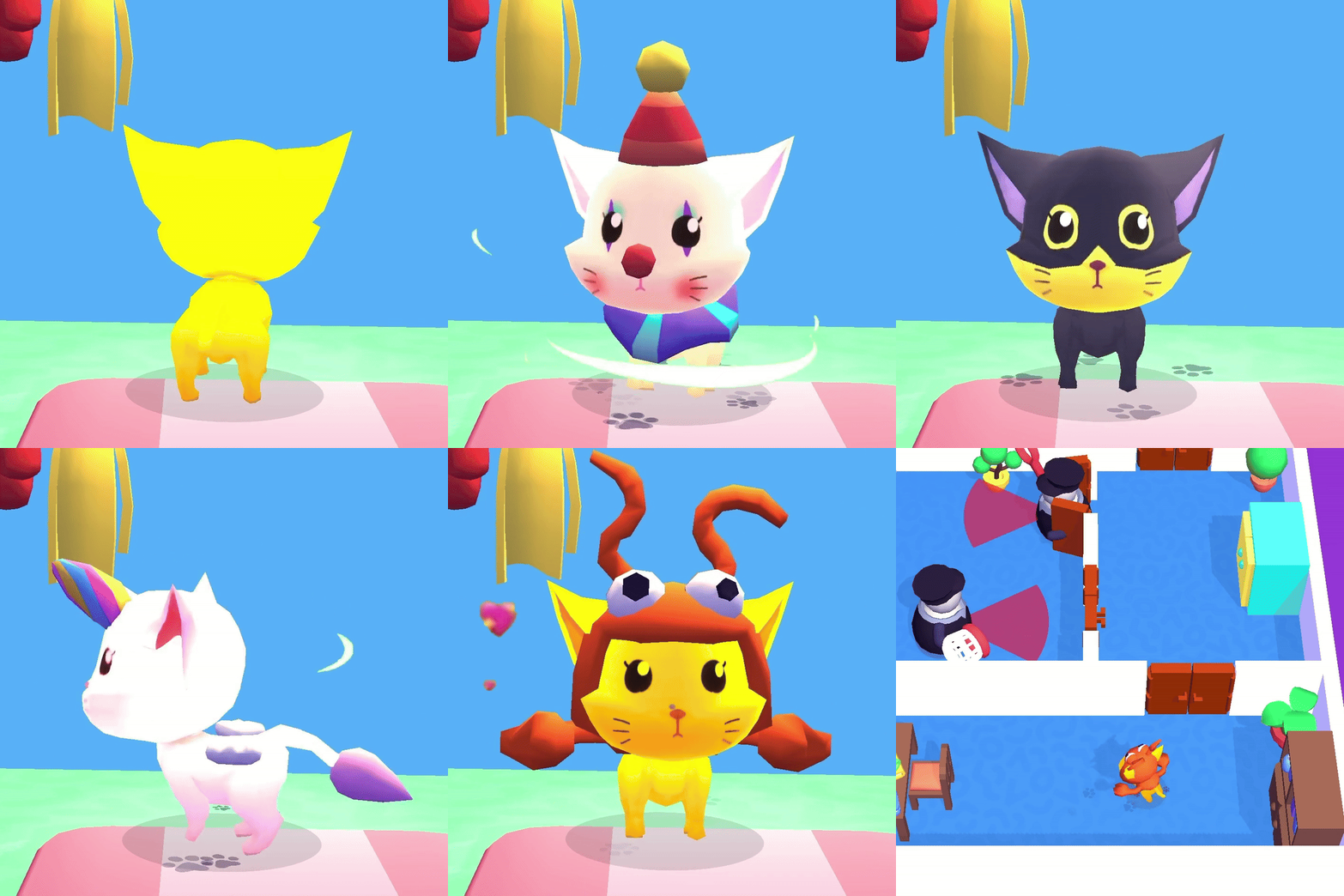

Customize Your Purr-fect Cat!
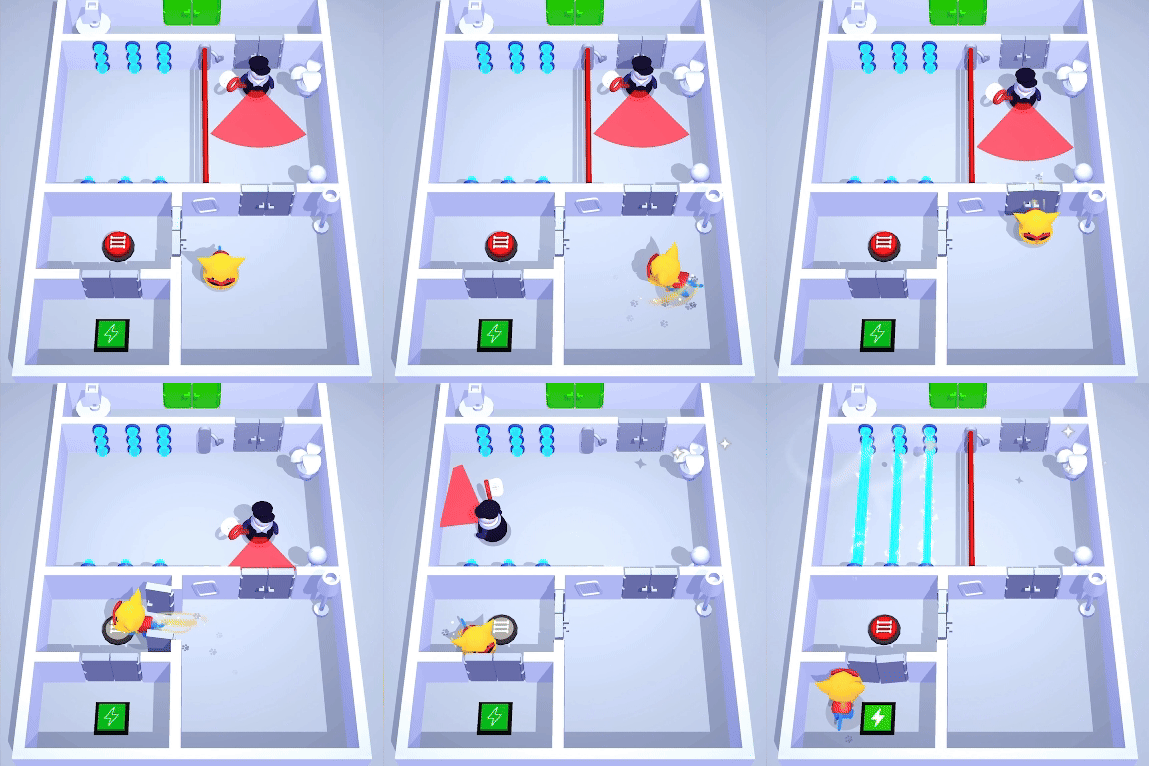
Brain-Teasing Levels Await!
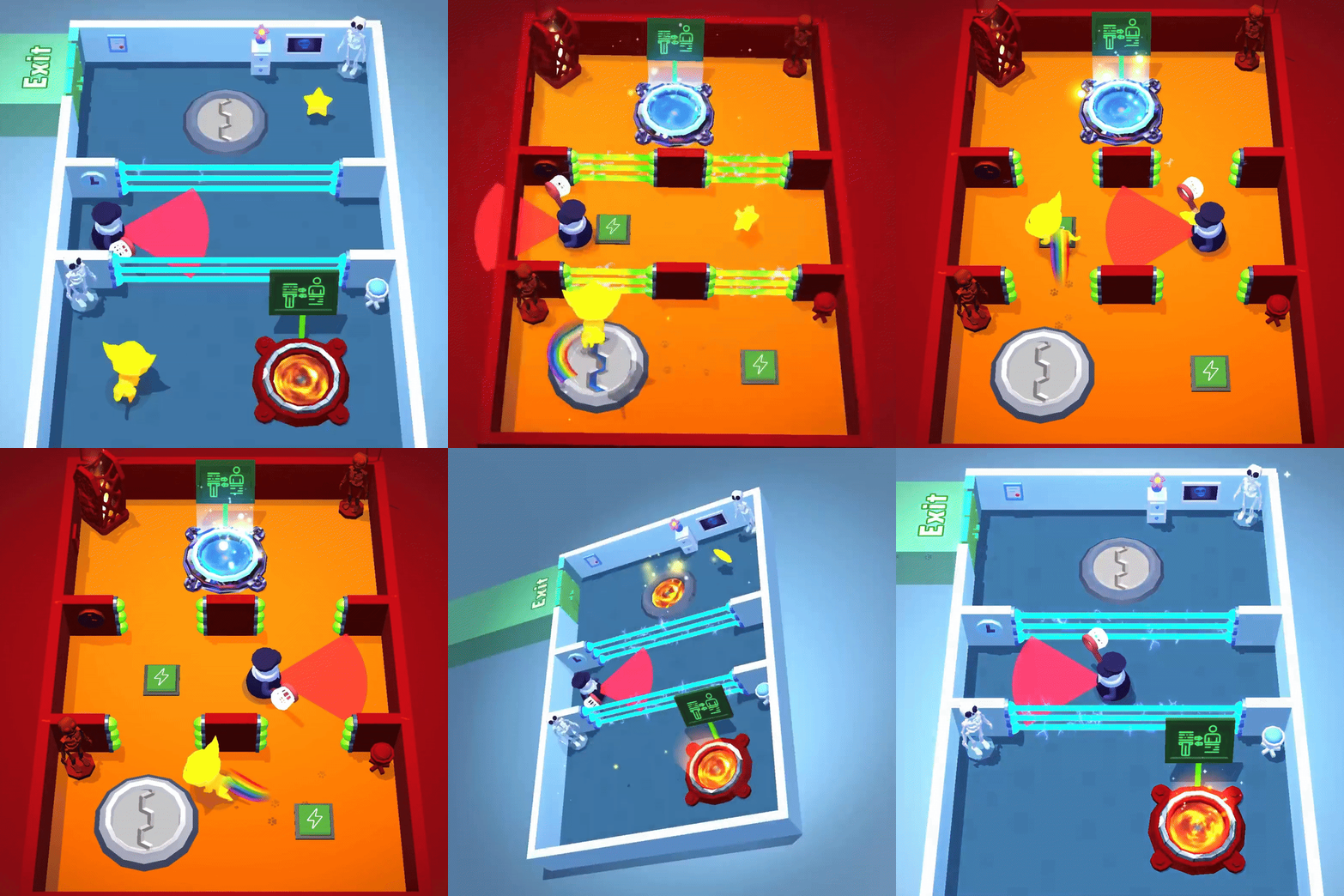
Navigate Challenging Puzzles!
However, as you dive deeper into the Tasker community—especially on forums like Reddit’s r/tasker, XDA Developers, or GitHub—you will eventually encounter a peculiar file extension: (often referred to specifically as tasker.lpp or *.lpp files).
Whether you are trying to build a voice-controlled home, a custom notification shade, or an automated work log, remember the golden rule: tasker.lpp
Imagine you download a "Battery Saver" project from a Tasker developer. If they provide a .prf.xml , you lose your old profiles. If they provide a tasker.lpp , you simply import it into a new tab called "Battery Saver." It sits next to your existing "Home Automation" tab without conflict. Part 3: How to Import a Tasker.lpp File You have downloaded a file named tasker.lpp (perhaps from a GitHub repository or a forum attachment). Here is exactly how to load it into Tasker. However, as you dive deeper into the Tasker
However, as you dive deeper into the Tasker community—especially on forums like Reddit’s r/tasker, XDA Developers, or GitHub—you will eventually encounter a peculiar file extension: (often referred to specifically as tasker.lpp or *.lpp files).
Whether you are trying to build a voice-controlled home, a custom notification shade, or an automated work log, remember the golden rule:
Imagine you download a "Battery Saver" project from a Tasker developer. If they provide a .prf.xml , you lose your old profiles. If they provide a tasker.lpp , you simply import it into a new tab called "Battery Saver." It sits next to your existing "Home Automation" tab without conflict. Part 3: How to Import a Tasker.lpp File You have downloaded a file named tasker.lpp (perhaps from a GitHub repository or a forum attachment). Here is exactly how to load it into Tasker.