is not just poetry. It is neuroplasticity in action. Addressing Skepticism: Is Too Much Love Harmful? Some critics argue that a therapist loving a client "so" much could blur ethical boundaries. However, within a family therapy context—especially in modalities like Emotionally Focused Family Therapy (EFFT) or Attachment-Based Family Therapy (ABFT)—therapeutic love is recognized as a legitimate agent of change.
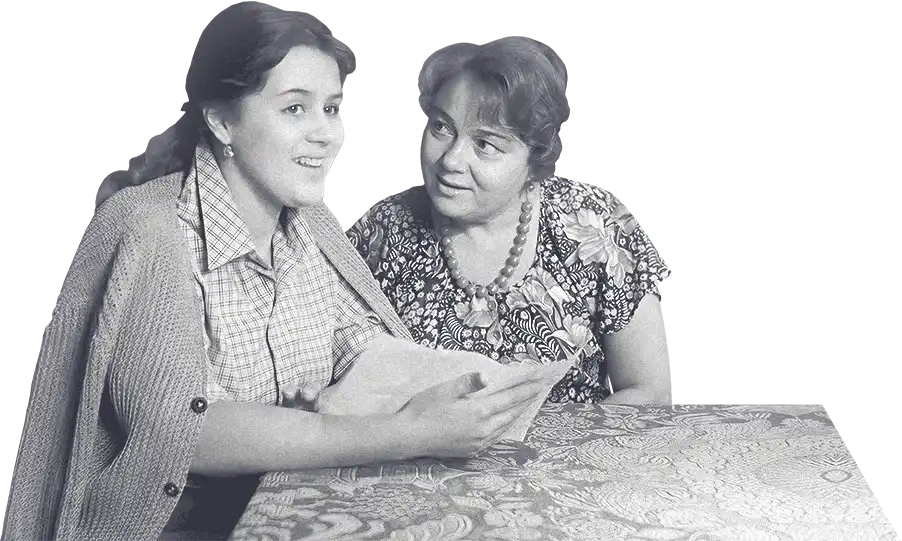
But Mrs. Lynn saw differently. She saw a frightened child desperate for someone to prove that love was real. During every session of family therapy, Mrs. Lynn sat close to Krissy. She remembered small details. She never flinched at Krissy’s rage. She simply said, "I love you so. And I am not leaving."
In family therapy, techniques matter—genograms, communication drills, behavioral contracts. But without the undercurrent of genuine, fierce, healing love, those techniques are hollow. Mrs. Lynn understands this. She loves Krissy not despite her brokenness, but because she sees the wholeness within the cracks.