×

Dipercaya oleh 500,000+ Bisnis
dari 100+ Negara



iREAP POS PRO


iREAP POS LITE

Kenali aktivitas toko dalam genggaman jari anda.



Laporan & Analitik, Realtime, Kapan Saja, Darimana Saja
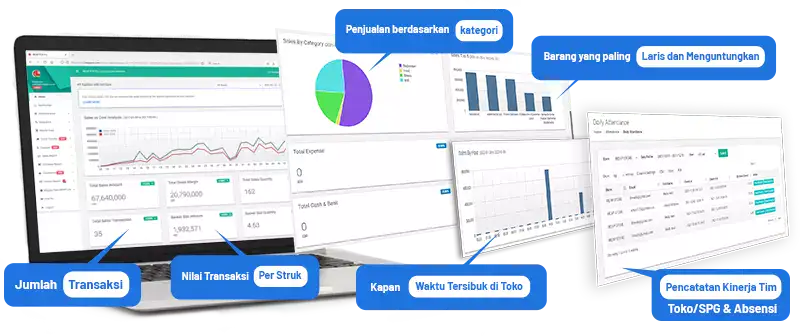
Akses ke laporan konsolidasi untuk seluruh toko di Web Dashboard kapanpun dan dimanapun.
Akses laporan satu toko melalui aplikasi mobile. Download- Tamil Stripchat Aunty Boobs Pussy S...
Dapat berjalan secara OFFLINE pada saat koneksi internet tidak tersedia
Semua Transaksi, Penerimaan Barang, Penjualan eceran, Pengeluaran barang terkonsolidasi dengan cloud ketika koneksi internet tersedia. Jika Koneksi internet tidak tersedia, transaksi akan tersimpan sementara dan otomatis disinkronisasi ketika Internet terkoneksi sehingga tidak ada kendala bisnis/ As India continues to evolve and grow, it

Data Toko, User, Produk, Pelanggan, Pemasok, Harga akan secara otomatis tersinkronisasi dari dashboard Web dan Aplikasi Mobile

QRIS untuk transaksi E-Money & otomatis rekonsiliasi By acquiring knowledge, skills, and confidence, women can

Mengatur toko anda dimanapun dan kapanpun!

Daftar Perusahaan /Badan usaha anda, Toko dan Administrator dalam 5 Langkah Mudah
Mengatur Kategori Barang, Pemasok, Pelanggan, Master data Barang, dan Harga jual kapanpun dan dmanapun anda baik di Web ataupun Aplikasi Mobile. Mengatur dan Sinkronisasi otomatis ke seluruh perangkat Mobile POS
Penetapan user ke toko tertentu dengan hak akses yang sesuai
Admin, Manager, Supervisor, CashierAs India continues to evolve and grow, it is essential to recognize the critical role that women play in shaping the country's future. By supporting and empowering Indian women, we can create a more just, equitable, and prosperous society that values the contributions and aspirations of all its citizens.
Education has long been recognized as a key driver of empowerment for Indian women. By acquiring knowledge, skills, and confidence, women can challenge traditional norms and expectations, access better job opportunities, and make informed decisions about their lives. The Indian government has launched various initiatives, such as the Beti Bachao, Beti Padhao program, aimed at promoting girls' education and addressing the issue of female foeticide.
In India, women have traditionally been expected to take on roles that revolve around family and domestic responsibilities. They are often seen as caregivers, nurturers, and homemakers, responsible for managing the household, raising children, and taking care of elderly family members. These expectations are deeply rooted in Indian culture and are often influenced by ancient texts and scriptures, such as the Manusmriti, which outlines the duties and responsibilities of women in Indian society.
As Indian women navigate the complexities of modern life, they are often faced with the challenge of balancing tradition and modernity. Many women are seeking to preserve their cultural heritage while also embracing the opportunities and freedoms offered by modernization. This intersection of tradition and modernity is reflected in the way women dress, the food they eat, and the way they celebrate festivals and traditions.
Violence against women, including domestic abuse, rape, and harassment, remains a major concern. The 2012 Delhi gang rape case, which sparked widespread protests and outrage across the country, highlighted the urgent need for greater protections and safeguards for women. While the Indian government has since implemented various laws and policies to address these issues, much more needs to be done to create a safe and supportive environment for women.
Despite these advances, Indian women still face significant challenges and obstacles. One of the most pressing issues is the persistence of patriarchal attitudes and biases that limit women's opportunities and freedoms. According to a report by the World Economic Forum, India ranks 134 out of 156 countries in terms of gender equality, highlighting the need for greater efforts to address the disparities and inequalities faced by women.
Apa yang Pengguna Kami Katakan Mengenai Aplikasi Kasir Android iREAP PRO
As India continues to evolve and grow, it is essential to recognize the critical role that women play in shaping the country's future. By supporting and empowering Indian women, we can create a more just, equitable, and prosperous society that values the contributions and aspirations of all its citizens.
Education has long been recognized as a key driver of empowerment for Indian women. By acquiring knowledge, skills, and confidence, women can challenge traditional norms and expectations, access better job opportunities, and make informed decisions about their lives. The Indian government has launched various initiatives, such as the Beti Bachao, Beti Padhao program, aimed at promoting girls' education and addressing the issue of female foeticide.
In India, women have traditionally been expected to take on roles that revolve around family and domestic responsibilities. They are often seen as caregivers, nurturers, and homemakers, responsible for managing the household, raising children, and taking care of elderly family members. These expectations are deeply rooted in Indian culture and are often influenced by ancient texts and scriptures, such as the Manusmriti, which outlines the duties and responsibilities of women in Indian society.
As Indian women navigate the complexities of modern life, they are often faced with the challenge of balancing tradition and modernity. Many women are seeking to preserve their cultural heritage while also embracing the opportunities and freedoms offered by modernization. This intersection of tradition and modernity is reflected in the way women dress, the food they eat, and the way they celebrate festivals and traditions.
Violence against women, including domestic abuse, rape, and harassment, remains a major concern. The 2012 Delhi gang rape case, which sparked widespread protests and outrage across the country, highlighted the urgent need for greater protections and safeguards for women. While the Indian government has since implemented various laws and policies to address these issues, much more needs to be done to create a safe and supportive environment for women.
Despite these advances, Indian women still face significant challenges and obstacles. One of the most pressing issues is the persistence of patriarchal attitudes and biases that limit women's opportunities and freedoms. According to a report by the World Economic Forum, India ranks 134 out of 156 countries in terms of gender equality, highlighting the need for greater efforts to address the disparities and inequalities faced by women.

Tim kami dapat dihubungi dari Senin sd Jumat , dari pukul 8:30am sampai 5:30pm, GMT+7 time