Crash 1996 Internet Archive Direct

Instantly convert JPG images into OBJ files with our fast, free online tool. No software installation required. Download compatible 3D models ready for editing or texturing in your preferred software.
Three stages of a 3D character model of a green furry creature with big eyes and pink horns, including a rendered image, a full-color 3D model, and a gray sculpt.
Convert Image to 3D Model
seperator

Intricate geometry details

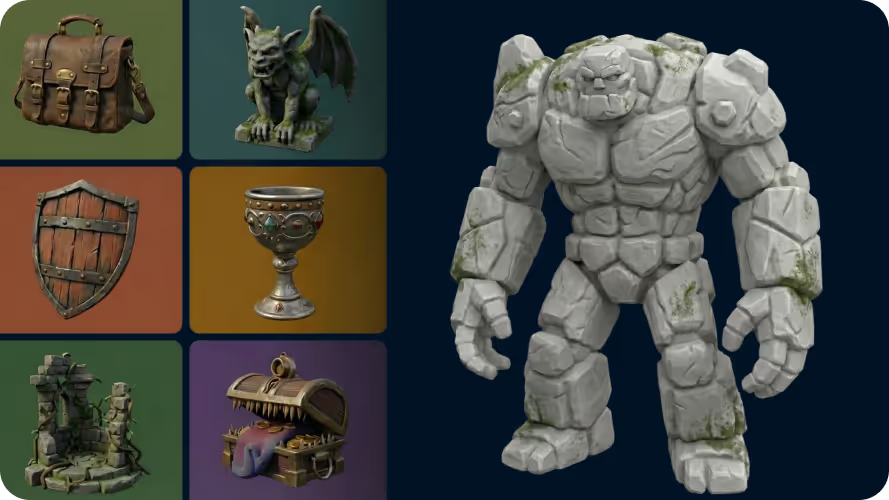
Maintain your designs or images with our advanced AI conversion engine. We ensure that your generated 3D models capture the intricate shapes and fine details of the original 2D input for breathtaking realism.
3d models

Superior Texture Quality

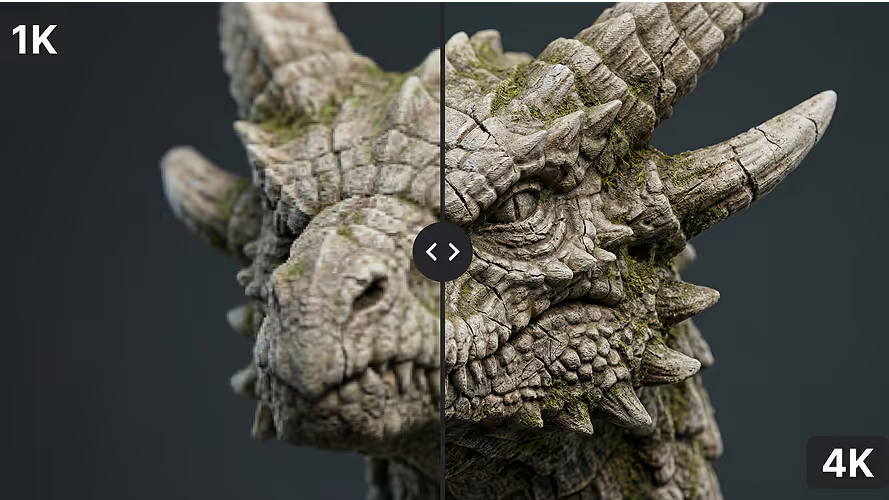
Unlock professional-grade assets with our smart AI Texturing technology. Our system delivers crisp, high-resolution textures, ensuring accurate color reproduction and high-fidelity surfaces that look natural in any lighting environment.
3d models

Universal Style Adaptation

Convert photorealistic portraits or stylized game props with no quality loss. We support a vast range of styles, ensuring that the unique "look and feel" of your image is preserved in the transition to 3D.
3d models
seperator

How to Convert JPG to OBJ

1. Import a JPG image

Go to our Image to 3D tool and simply drag and drop your file into the upload zone. We support major formats including JPG, PNG, and WEBP (Max file size: 20MB).

2. Convert to OBJ model

Hit the “Generate” button to convert your image to 3D. Within moments, the tool creates detailed geometry and textures automatically, with no 3D modeling skills or external software required.

3. Download your file

Once the processing finishes, click download to save your new OBJ file. Turn a static 2D image into a usable 3D asset in seconds, saving you hours of manual modeling time.

Today, the Internet Archive is a leading cultural institution, preserving and making accessible a vast array of digital content. The organization's work has been recognized with numerous awards and accolades, including the National Award for Technology Innovation.

The Internet Archive also received significant media attention, with articles in prominent publications such as The New York Times, Wired, and CNN. The coverage helped raise awareness about the importance of preserving the internet's cultural heritage and the Internet Archive's critical role in this effort.

However, the Internet Archive's team, led by Brewster Kahle and Bruce Gilliat, refused to give up. They rallied together, working tirelessly to recover as much data as possible from backups and redundant systems. The team also launched an emergency fundraising campaign to secure the necessary funds to rebuild and restore the archive.

The crash also underscored the importance of the Internet Archive's mission, highlighting the need for a permanent digital record of the internet. The organization's resilience and determination in the face of adversity helped build a stronger, more supportive community around the Internet Archive.

The crash of 1996 was a turning point for the Internet Archive. The disaster forced the organization to confront its vulnerabilities and weaknesses, leading to significant improvements in its infrastructure and operations.

In the early days of the internet, a small but dedicated group of individuals recognized the importance of preserving the rapidly evolving online landscape. The Internet Archive, founded in 1996 by Brewster Kahle and Bruce Gilliat, was established with the ambitious goal of creating a permanent digital record of the internet. However, in the same year of its inception, the Internet Archive faced a significant challenge that would test its resolve and shape its future.

Sloyd 3D treasure chests in multiple styles

3D doesn't have to be a time sink

Generate now